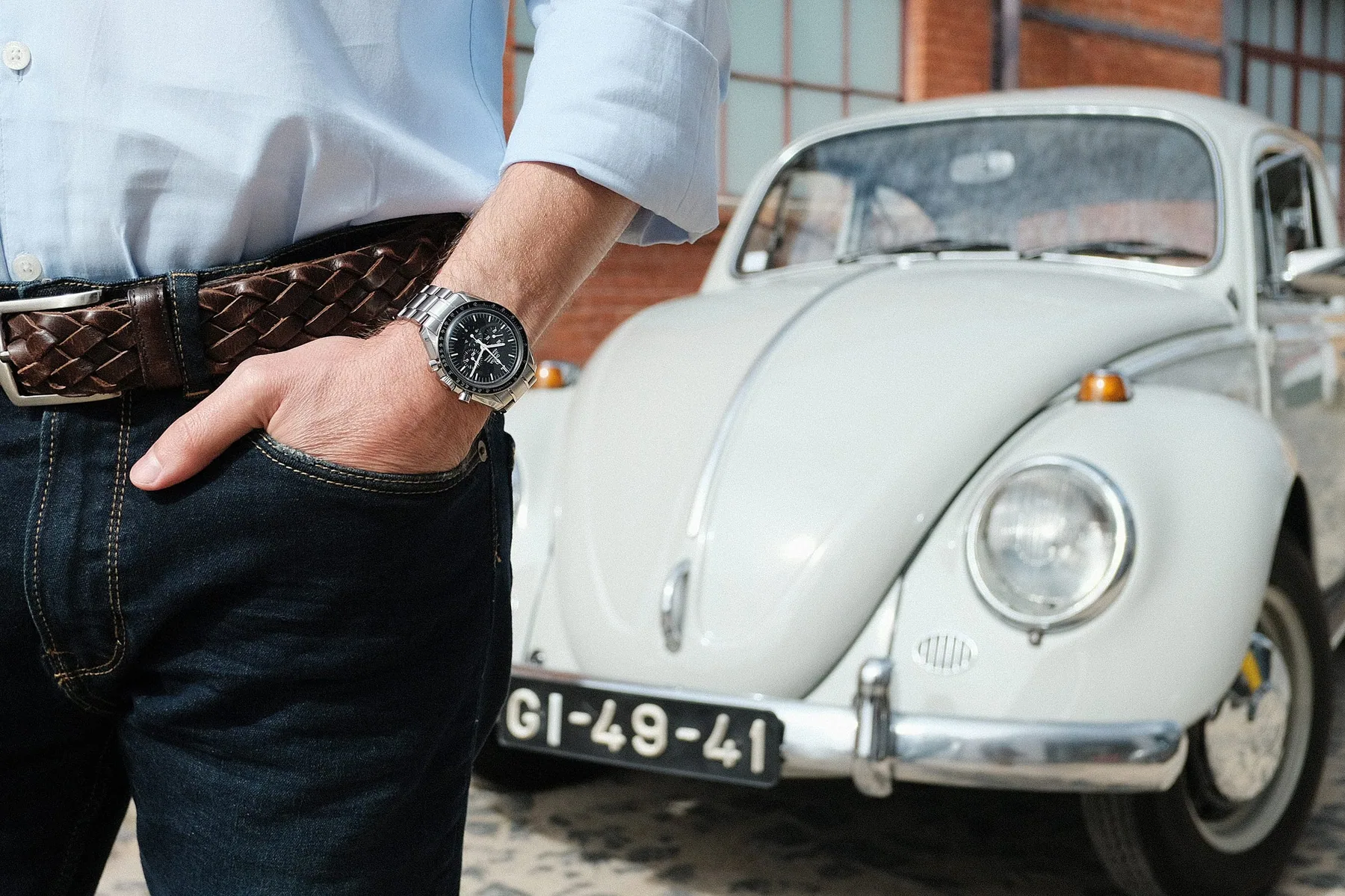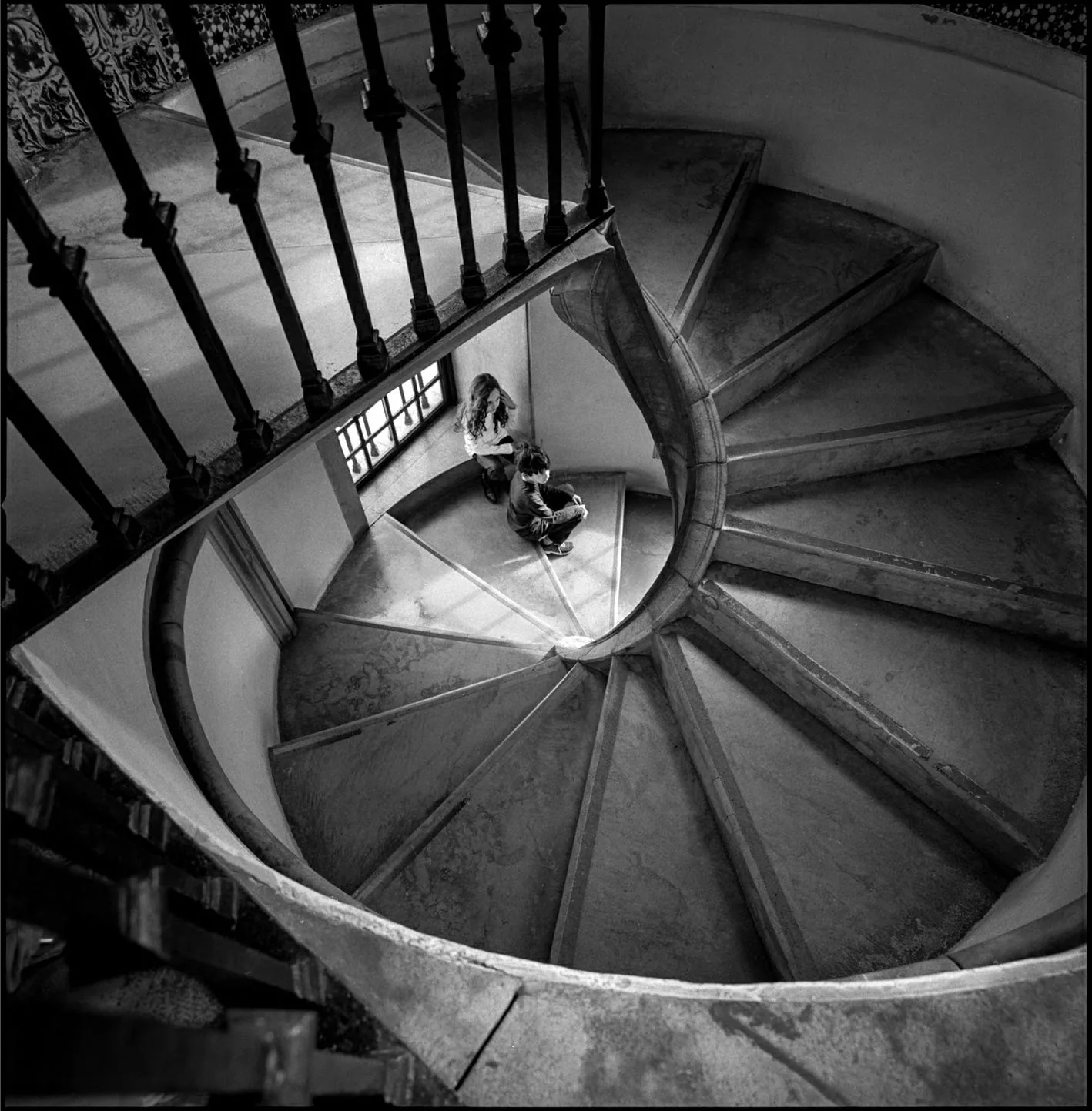
Bokeh is everywhere.
With the introduction of larger sensor digital consumer cameras in the early 2000s, making blurred backgrounds became a common technique in the amateur photography universe. What used to be a trick reserved for professionals with expensive cameras is now available to everyone — it’s even possible to replicate this effect on the iPhone!
Using a shallow depth of field to isolate the subject comes at a cost, though. In this article, I’ll explore some of the disadvantages of using bokeh, and present some alternatives to create beautiful images with added depth and story.
Ain’t nobody got time for that
Photography with a shallow depth of field involves a larger and more expensive camera than what you would need otherwise. And even with a sophisticated camera, the chances of ending up with a blurred shot are quite high when working with smaller objects or moving subjects.
Moreover, lenses perform at their best when stopped down from their maximum aperture, and if you work in a commercial environment, a slightly soft image shot at the brightest aperture doesn’t cut it.
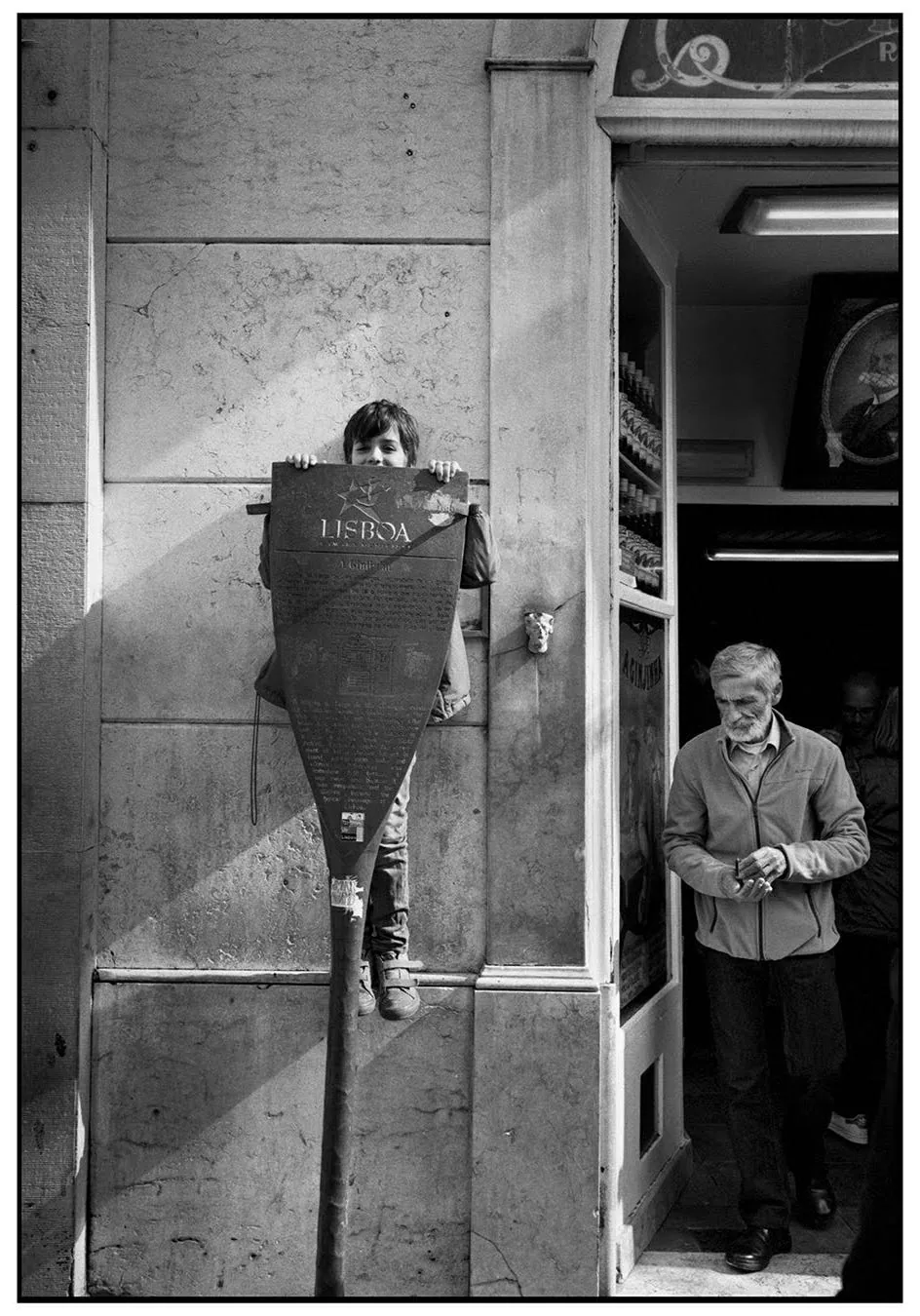
By skipping the need for bokeh you get sharper images and a smaller chance of missing the shot. It’s one less thing to worry about when picking up the camera — it leaves you more time to study the scene, work on the composition and capture the perfect moment as it unfolds in front of your lens.
“f/8 and be there” — Weegee
Some street and landscape photographers take this concept even further by setting the focus to a hyperfocal distance, ensuring that all objects in the frame are in apparent focus.
Lack of context
Isolating the subject using a shallow depth of field effectively discards the background information. The resulting image is now about the subject on itself, instead of the relationship with its surroundings.
This information loss poses a crucial issue for photojournalists, when a blurred background can omit important essential details of the action. Even if the subject is interesting enough, it became devoid of context and the story opportunity is gone.
When composing, keep in mind that the background is almost as valuable as the subject — instead of trying to disguise it, use it as the centre stage to place the subject and to enhance the story you tried to convey in your shot.
Depth perception
The initial assumption would be that a thin depth of field divides the layers in the photo and leads to a more tridimensional image, but that isn’t always the case.
Photography captures the perspectives of the tridimensional world on a two-dimensional image. Since the medium is flat, our brains use visual cues and some clever mind shortcuts to extract depth from a picture.
When there’s a single subject in focus, it becomes impossible to compare scale differences between the objects on the image — as a result, our perception of scale and depth fails.
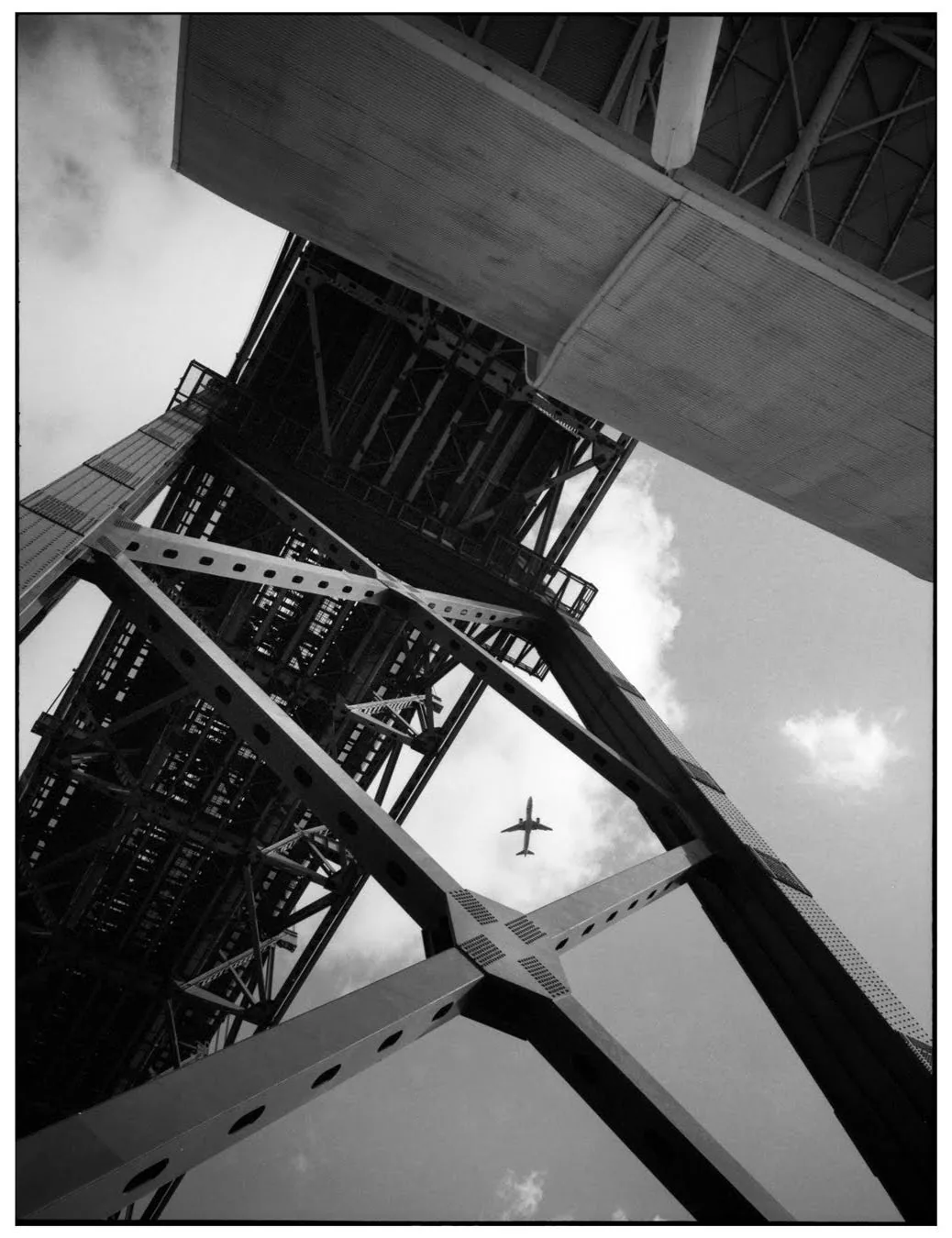
A two-dimensional image is an immense simplification of the tridimensional world around us, and that is one of the main reasons why optical illusions work so well — they trick our minds into seeing things that aren’t there. As photographers, we should take advantage of these effects to convey as much depth and scale on our images as possible!
Standing out
Relying solely on shallow depth of field and bokeh in our photography can waste valuable information about the scene and can even contribute to a flatter image. Fortunately, there are alternative ways to spice up our images using even the simplest of cameras or mobile phones!
Bokeh is a powerful tool to isolate the subject from the background, but there are several alternative techniques to achieve the same effect, and we can combine them to make the subject stand out:
- Explore the contrasts of light and shadow, either by placing a bright subject on a dark background (or vice versa) or by casting directional light and shadows;
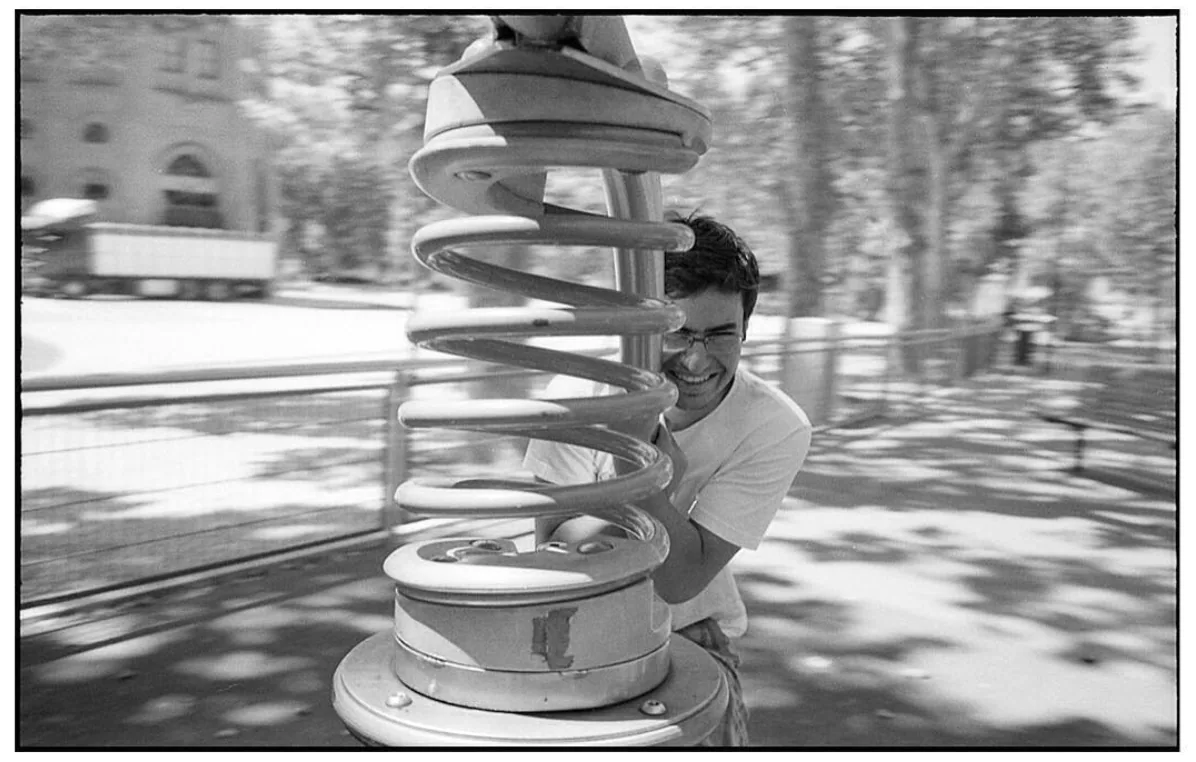
- Select a slow shutter speed to add motion blur to a moving subject or background;
- Place a colourful subject on a pale scene (this doesn’t work in black&white photography, though!);
- Experiment with texture differences between the subject and the background.
Deeper images
By working with smaller apertures and wide-angle lenses you can explore some optical tricks to create the illusion of depth and add visual volume to your images. Consider trying:
- Sub-framing: frame the main subject on your photo using other elements on the composition;
- Layering: avoid flat compositions where all the elements are in the same plane. Try placing some objects really close to the camera and others further away;
- Leading lines: use elements on the image to create converging lines that lead the eyes to the subject.
Mixing these three effects can be a powerful technique to create different and unusual images, guiding the eye to the focal point and exploring the scale differences between the objects that surround us.
Copy the masters
Some of my favourite photographers have decided to skip the use of shallow depth of field entirely. Instead, they created powerful images by using a careful eye for composition and some of the techniques previously mentioned. For instance:
- Ansel Adams, a very technical photographer that explored the capabilities of his large-format camera to create stunning landscape images, full of detail and depth;
- Henri Cartier-Bresson mastered the art of composition and timing on his street and documentary photography;
- Arnold Newman became famous for his “environmental portraits”, using wider lenses than the standard portrait focal lengths to frame the individuals next to their bodies of work;
- Martin Parr embraced colours and busy compositions in his documentary photographs as a satirical and anthropological look at the aspects of modern life.
To Bokeh or not to Bokeh?
In the end, shallow depth of field should be just another tool on your composition and framing toolbox. Whilst I’m not arguing against using bokeh, I believe making it a norm/overusing it can risk the loss of valuable information and context to your images
On your next photowalk, try setting your camera on a small aperture or bring your mobile phone instead. Focus not only on interesting subjects but on their surroundings — embrace them instead of trying to melt them away.
And don’t forget to browse some photo books from your favourite genre in search of inspiration, instead of social media or easy photo “hacks”!
This article is the second part of my “myth-busting photography” series. Part I below!
Bokeh Is Overrated was originally published in Photo Dojo on Medium, where people are continuing the conversation by highlighting and responding to this story.
Bruno Candeias is a photographer and watch journalist based in Lisbon. He writes here whenever there is something worth writing.