If I ask you to name a luxury watch brand, what is the first one that comes to your mind?
Most likely, Rolex.
Even though most Rolex watches are priced at a mid-range luxury segment, wearing one is seen by many as the ultimate sign of wealth and success in life.
It is not a simple matter of perception, though. The brand dominates the watch market, producing over one million units per year and holding a 25% market share of the watches sold in Switzerland in 2020.
But how did this company become so ubiquitous in our society, and does it still deserve the crown? What can we learn from the dominance of Rolex?
Royal Aspirations
The Rolex history begins in 1905 with a young man named Hans Wilsdorf. At age 24, he partnered with Alfred Davis and founded a watchmaking company in London, Wilsdorf & Davis, Ltd. Their company had the goal of providing high-quality timepieces at affordable prices, by importing watch parts from Switzerland that were later assembled in England to keep costs down.
The Rolex brand name only came ten years later. With companies like Kodak and Coke becoming popular in Europe, Hans noticed the power of having a brand identity in a global market. He wanted his company to have a punchy and memorable name that would be easy to pronounce, regardless of the language.
“I tried combining the letters of the alphabet in every possible way. (…) One morning, (…) a genie whispered ‘Rolex’ in my ear.” — Hans Wilsdorf
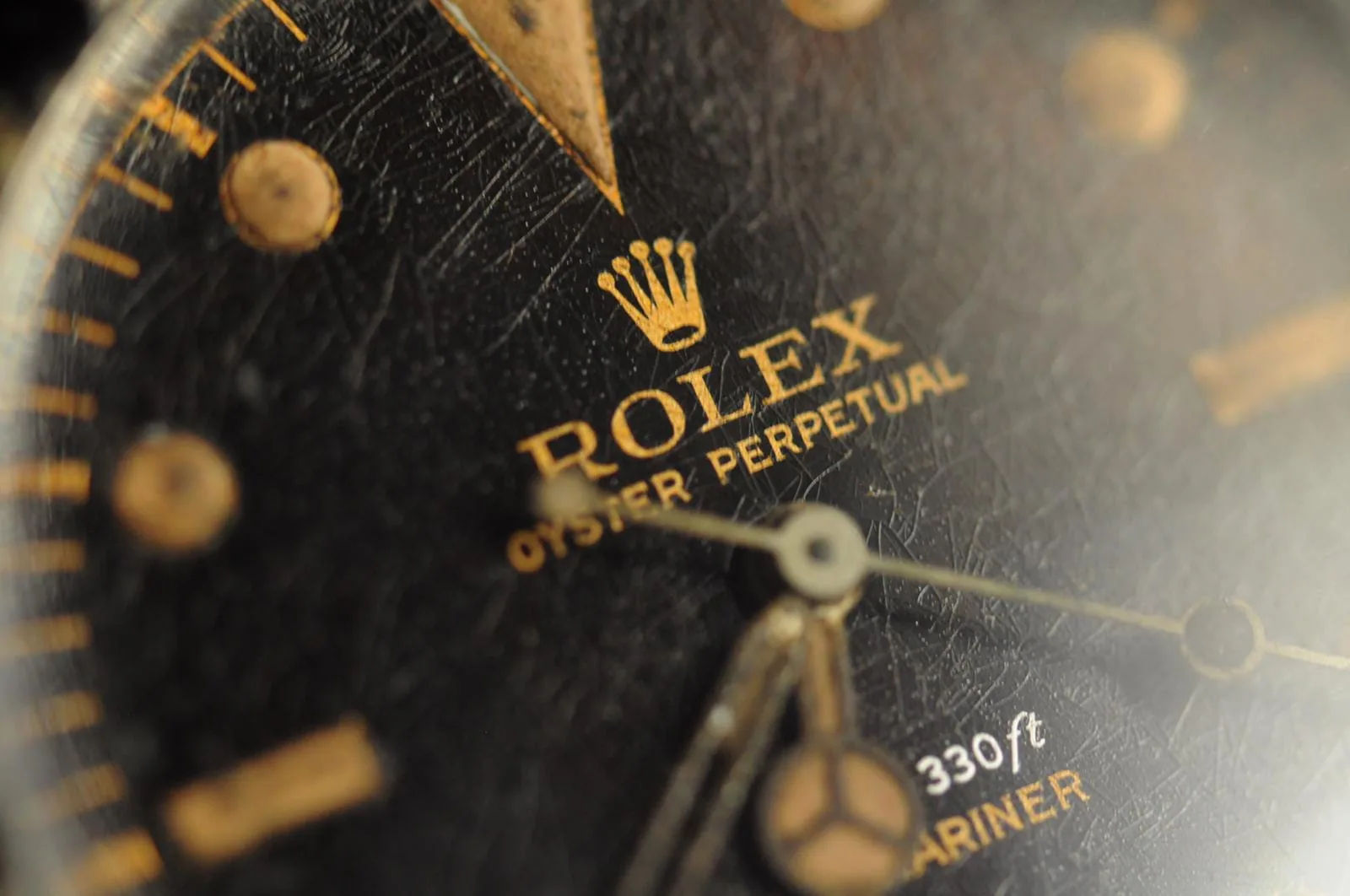
The five-letter word doesn’t have a particular meaning (although some speculate that it’s short for horological excellence). Most importantly, it sounds good and looks balanced when printed on capital letters on the dial.
Initially sketched by the founders, the five-pointed crown carries a beautiful double meaning: the crown is the watch part used to set the time, while in our society crowns are seen as symbols of royalty and prestige.
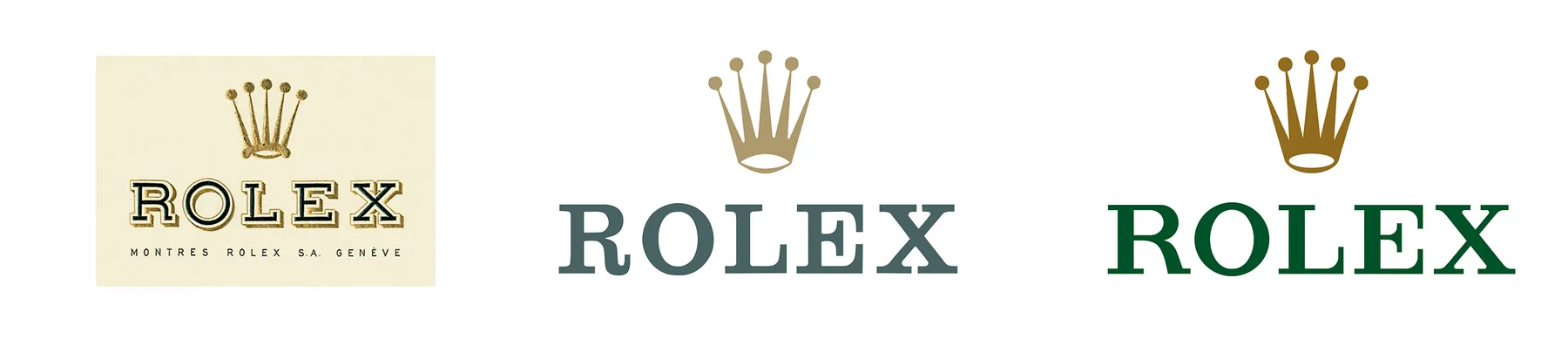
The logo colours were also a bold choice to express their core values: The name used a rich Cadmium Green (#006039) shade, while the logo was printed in a Metallic Sunburst (#A37E2C) gold colour. These two tones work in harmony and are associated with luxury, money, and wealth.
Over the years, the Rolex brand identity has remained almost unchanged, highlighting the stability associated with the brand and cementing their logo as one of the most recognisable in the world.
Crowning Achievements
Having a catchy name and a logo isn’t enough to establish a brand, much like owning a crown doesn’t imply a royalty status.
While 1905 may sound like a very distant time, most renowned watch brands started way before then. For example, Omega was founded in 1848, and Vacheron Constantin was already 150 years old when Hans Wilsdorf started his company.
Rolex entered a long-established industry with big players and tough competition. At the time, these traditional brands produced mostly pocket watches for men, since wristwatches were considered accessories for women due to their lack of precision and fragility.
Hans saw this gap as a market opportunity and embraced the challenge of producing an accurate and reliable wristwatch.
Rolex started by buying movements from Aegler, a family-owned manufacturer based in Biel specialist in small mechanical movements. These movements were then cased and sent to Switzerland and England for observatory testing, and became the first wristwatches to be awarded the chronometer precision rating.
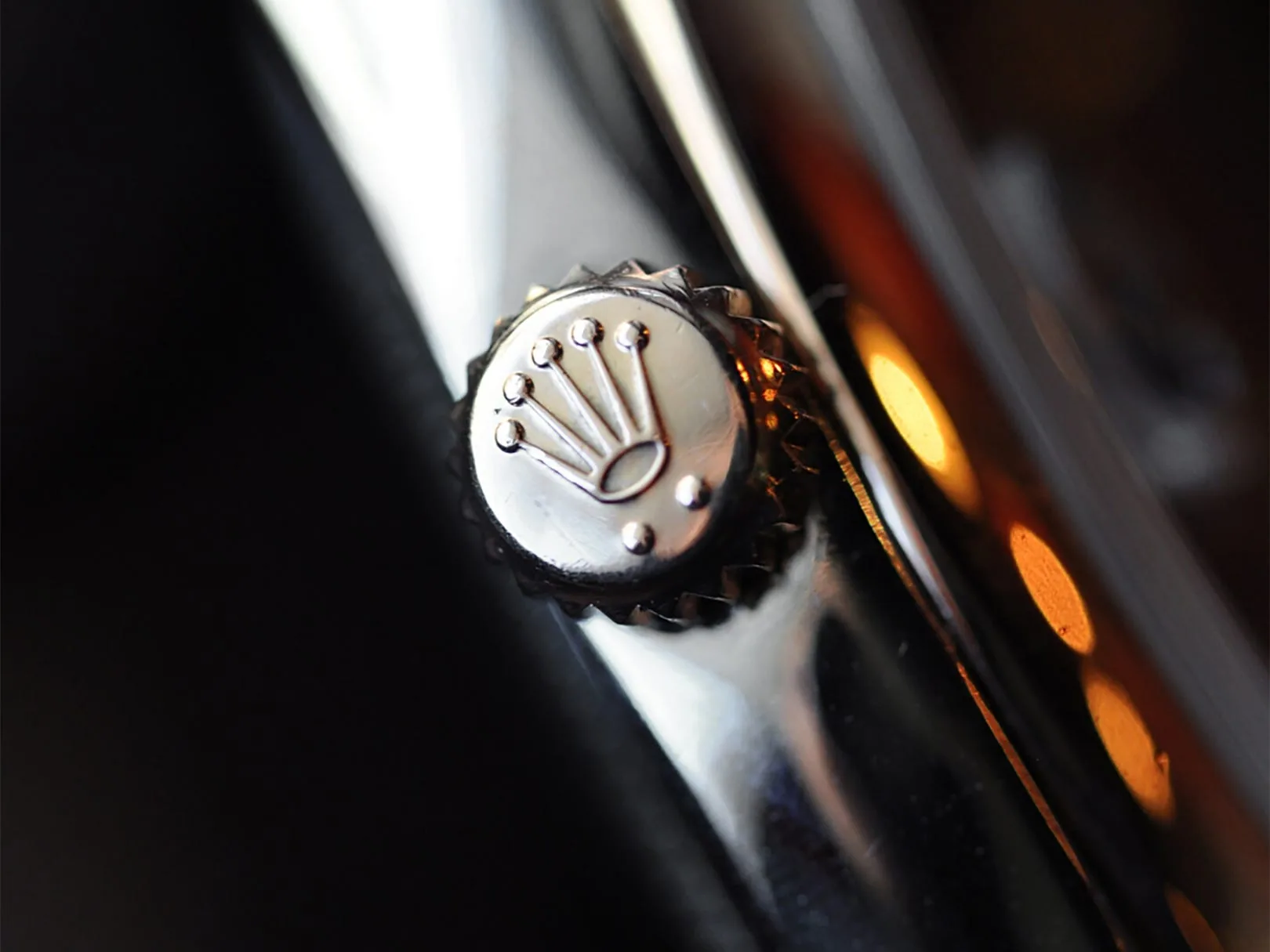
This quest for innovation didn’t end there — in the following years, Rolex introduced the Oyster case (the world’s first waterproof watch case) and the Perpetual self-winding movement (without the need for manual winding or batteries).
These breakthrough inventions set the standard for what a wristwatch should be, disrupting the traditional brands that had to catch up with this young and innovative company.
The First Sports Influencer
One thing is to claim to have a ‘human proof’ watch, but another is to prove it.
In 1927, Rolex put their product to the test by convincing the young swimmer Mercedes Gleitze to wear their Oyster watch during her epic first successful swim across the English Channel. At the end of the ten-hour-long swim, the watch was still watertight and in perfect working order.
Rolex celebrated the milestone with a full-page advertisement on the front of London’s Daily Mail, highlighting the virtues of their first waterproof watch. The title stated:
“Rolex Oyster — The Wonder Watch that Defies the Elements”
This endorsement pioneered the use of athletes and explorers as testimonials for watch durability and reliability.
Since then, Rolex has always tried to place a watch in every significant feat in modern history, embracing their slogan “A Crown For Every Achievement.” The brand sponsors every major sport and cultural event that celebrates the individual’s exceptional performance, from Tennis to Formula 1 and Opera.
Their watches grace the wrists of celebrities and politicians, and while Rolex might not have influenced their actions directly, it certainly became part of their history.
Profit? No, Thanks
One of the cornerstones of the luxury market is the idea of stability. Luxury items sell a promise of longevity associated with the brand’s tradition and history.
Rolex understood this premise from its early days, and one of Hans Wilsdorf’s wisest business decisions was setting up the company as a non-profit.
That’s right —the world’s most powerful watch brand belongs to a charitable trust.
Following the death of Hans Wilsdorf’s business partners and heirs in 1945, he decided to create a foundation and named it after himself. This trust ensured the company’s longevity by preventing it from being merged, sold, or publicly traded.
The Hans Wilsdorf Foundation owns Rolex to this day, donating a great share of its income to charity and social activities, as well as reinvesting the profits into the company. The foundation allows Rolex to operate without pressure from shareholders, focusing on long-term objectives instead of short-term gains.
As a result, the company favours consistency instead of reinvention.
While their signature Oyster Perpetual concept remains virtually unchanged, the watches produced today are significantly more robust and reliable than ever before. With every iteration, the brand invests in gradual progress, creating the best possible products while staying true to their DNA.
Careful Marketing
Over the years, Rolex has settled its status and reputation as a dependable and established brand. It disrupted the industry at its inception, but as the company matured, so did its marketing strategy.
While vintage Rolex advertisements were fun and provocative, the modern versions are meticulously crafted and with minimal copy — the brand is now strong and confident enough to present their timepieces without the need to explain what makes them special.
Connected to this maturity and cautious approach to marketing, the company took a long time to adopt a social media presence. As a Rolex representative told Mashable, “Creating buzz is not the intent (…) We craft our content thoughtfully, privilege quality over quantity, talk only when we have something to say and when we feel it’s right.”
Scarcity, Hype, and Value Perception
It is impossible to talk about Rolex without mentioning the hype and the controversies that surround the brand.
All the facts previously mentioned contributed to a huge growth in popularity, and the desire to own their watches skyrocketed.
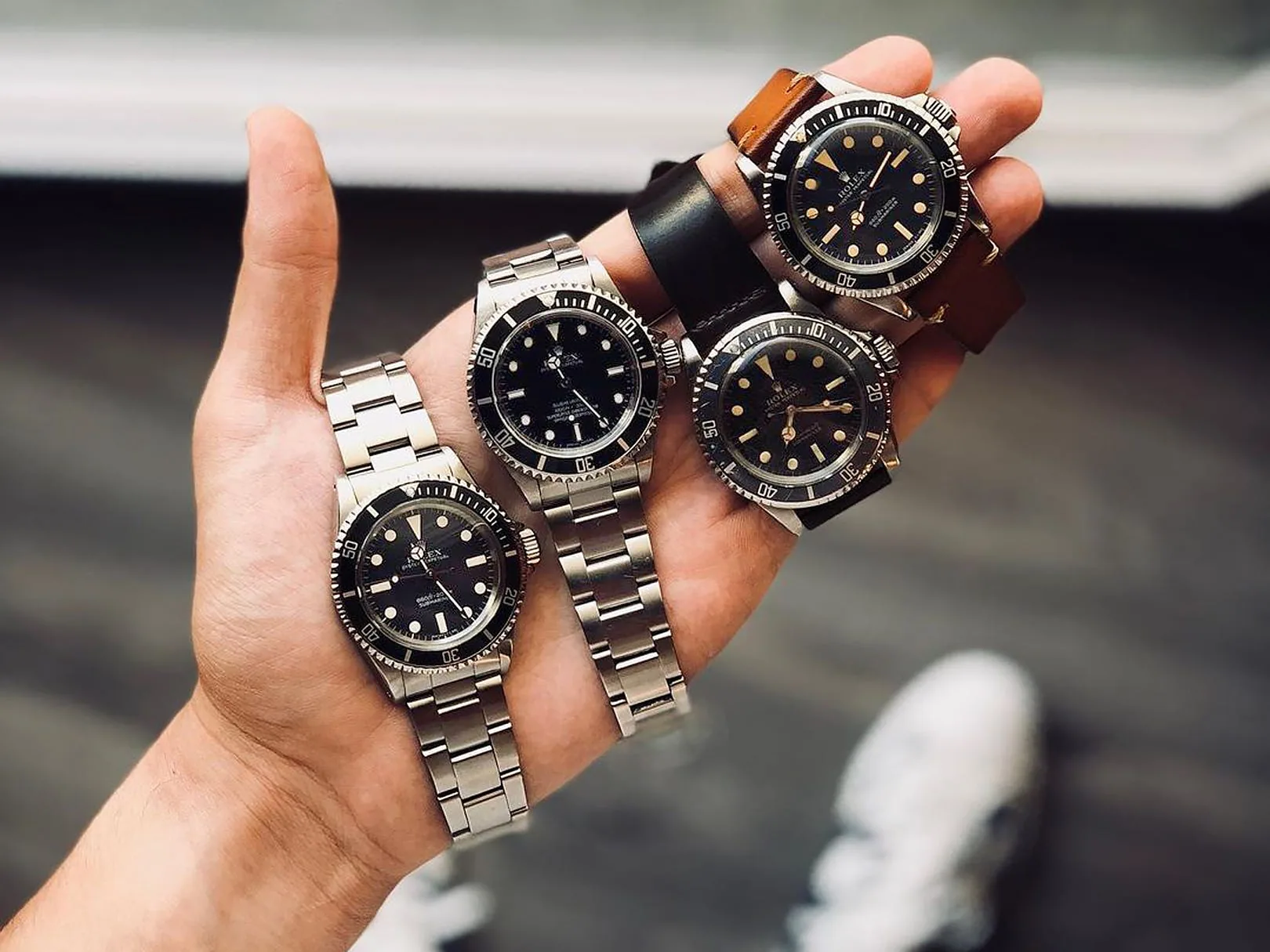
Although the brand produces over one million watches per year, that number is significantly inferior to the current demand, forcing buyers to wait several years for their desired timepiece. The most impatient customers are even willing to pay well above retail price in grey and secondary markets to skip the dreaded waitlists!
Despite the huge production volumes, this apparent scarcity helps to further accentuate the brand’s desirability and makes their watches one of the few consumer products that can hold (and even increase) their value over time.
Long Live the King
While I’m not a Rolex owner and I don’t see myself buying one anytime soon, their growth and dominance as a company fascinate me and I can imagine the appeal of owning one of their watches.
Rolex was the result of a visionary that saw an opportunity in a very traditional market and disrupted the industry with his creativity and pursuit of perfection.
All of this didn’t happen by accident, it was the product of a long-term vision. Consistent innovation, investments in research, industrial production, and a solid marketing strategy turned a disruptive company into an established and mature market leader.
Their watches have set benchmarks, survived trends, and adapted to the modern age while remaining true to their origins.
A Rolex watch is way more than a mere symbol of success for those who can afford one. While it might not be the most exotic or original choice, it is a highly functional and durable instrument, made by a manufacturer that will continue to tick for many years to come.
A special thanks to Diogo Costa and Assis&Sons for allowing me to use their photos for this article!
Sources and further reading
- History of Rolex on Beckertime
- Origins of the Rolex name on Business Insider
- Swiss watch market share on Monochrome Watches
- How a 109-Year-Old Brand Thrives in the Digital Age on Mashable
- Rolex ecosystem on Espiral do Tempo (in Portuguese)
- Buying a brand new Rolex by Mika Yeap on Medium
- We Sent a Complete Newbie Shopping for a Rolex on Hodinkee
The Crown Is King was originally published in Better Marketing on Medium, where people are continuing the conversation by highlighting and responding to this story.
Bruno Candeias is a photographer and watch journalist based in Lisbon. He writes here whenever there is something worth writing.